What Are Thermal Paper Rolls and How Do They Work?
If you have ever received a printed receipt at a store, restaurant, or ATM, chances are it was printed on thermal paper rolls. These special paper rolls are widely used in modern businesses because they enable fast, ink-free printing. From retail stores to banks and logistics companies, thermal printing has become an essential part of daily operations.
In this guide, we will explain what thermal paper rolls are, how they work, their common uses, and how to choose the right type for your business.
What Are Thermal Paper Rolls?
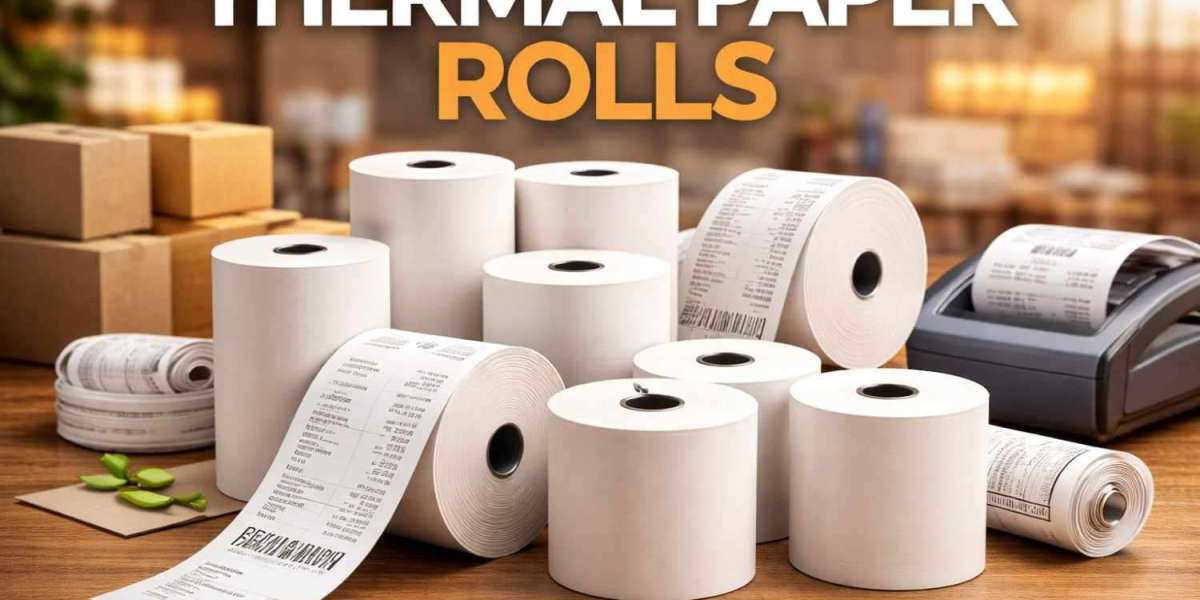
Thermal paper rolls are specially coated paper rolls designed for thermal printers. Unlike traditional printing that uses ink or toner, thermal printers create images by applying heat directly to the paper.
The surface of thermal paper contains a chemical coating that reacts to heat. When the printer head heats specific areas, the coating changes color, creating text or images on the paper.
This technology enables printers to operate quickly and quietly without ink cartridges or ribbons. Because of this efficiency, thermal printing is widely used in industries that require quick receipt printing.
How Thermal Paper Rolls Work
Understanding how thermal paper rolls function can help businesses appreciate their advantages.
Inside a thermal printer, a heated print head touches the surface of the thermal paper. When heat is applied to the coated layer, it triggers a chemical reaction that turns the paper dark in selected areas.
This process produces clear text and graphics instantly. Since the printer only uses heat, there is no need for additional printing materials like ink.
The simplicity of thermal printing is one of the reasons why thermal paper rolls are used in so many commercial environments.
Common Uses of Thermal Paper Rolls
Thermal paper rolls are used across many industries where fast, reliable printing is required.
Retail Receipts
Retail stores commonly use thermal printers to print customer receipts. Thermal printing allows stores to produce clear receipts quickly during busy checkout times.
Point of Sale (POS) Systems
Most modern POS systems rely on thermal paper rolls for printing transaction details. Restaurants, supermarkets, and convenience stores all depend on this technology.
ATM Machines
ATMs use thermal paper rolls to print transaction slips and balance receipts. The clear printing ensures customers can easily read their information.
Ticket Printing
Thermal paper is also used for printing tickets at cinemas, parking machines, transportation systems, and event venues.
Logistics and Shipping
Many shipping companies use thermal printers for printing labels and tracking slips. The speed and reliability of thermal printing help streamline operations.
Types of Thermal Paper Rolls
Not all thermal paper rolls are the same. Different types are designed for specific applications and printer models.
Standard Thermal Paper
Standard thermal paper is the most commonly used type. It is typically used for POS receipts and small printing tasks.
BPA-Free Thermal Paper
Some businesses prefer BPA-free thermal paper rolls due to health and environmental concerns. These papers use alternative coatings instead of bisphenol chemicals.
Long-Life Thermal Paper
Long-life thermal paper is designed for documents that need to last longer. This type is commonly used for tickets or records that must remain readable for extended periods.
For more articles, barcode printer
Advantages of Using Thermal Paper Rolls
There are several reasons why businesses prefer thermal paper rolls over traditional printing methods.
Faster Printing
Thermal printers produce receipts and documents quickly, reducing customer wait time.
No Ink Required
Since thermal printing uses heat instead of ink, businesses save money on ink cartridges and maintenance.
Lower Maintenance
Thermal printers usually have fewer moving parts than traditional printers, making them easier to maintain.
Quiet Operation
Thermal printing operates quietly, making it suitable for retail stores, restaurants, and offices.
How to Choose the Right Thermal Paper Rolls
Selecting the correct thermal paper rolls is important to ensure compatibility with your printer and maintain print quality.
Check the Paper Size
Different printers require different roll sizes. Always verify the width and diameter recommended by your printer manufacturer.
Look for High-Quality Coating
Good-quality thermal paper produces clearer prints and reduces wear on the printer head.
Consider Paper Durability
If your receipts or records need to last longer, choosing long-life thermal paper may be the best option.
Buy From Reliable Suppliers
Purchasing thermal paper from trusted suppliers ensures consistent quality and proper manufacturing standards.
Tips for Storing Thermal Paper Rolls
Proper storage helps maintain the quality of thermal paper rolls.
Keep the paper in a cool, dry place away from direct sunlight. Excess heat and light can damage the thermal coating and reduce print quality.
Avoid storing thermal paper near chemicals or plastic materials that may affect the coating.
Conclusion
Thermal paper rolls are an essential component of modern printing systems used in retail, banking, logistics, and many other industries. Their ability to produce fast, clear, and ink-free prints makes them a practical choice for businesses that rely on receipt and ticket printing.
By understanding how thermal paper works and choosing the right type for your printer, businesses can ensure smooth operations and consistent print quality. Whether you run a small shop or a large retail chain, investing in quality thermal paper rolls can make a noticeable difference in efficiency and customer experience.
Also Read: Learn more about choosing the right POS printer paper and receipt printing solutions for your business.